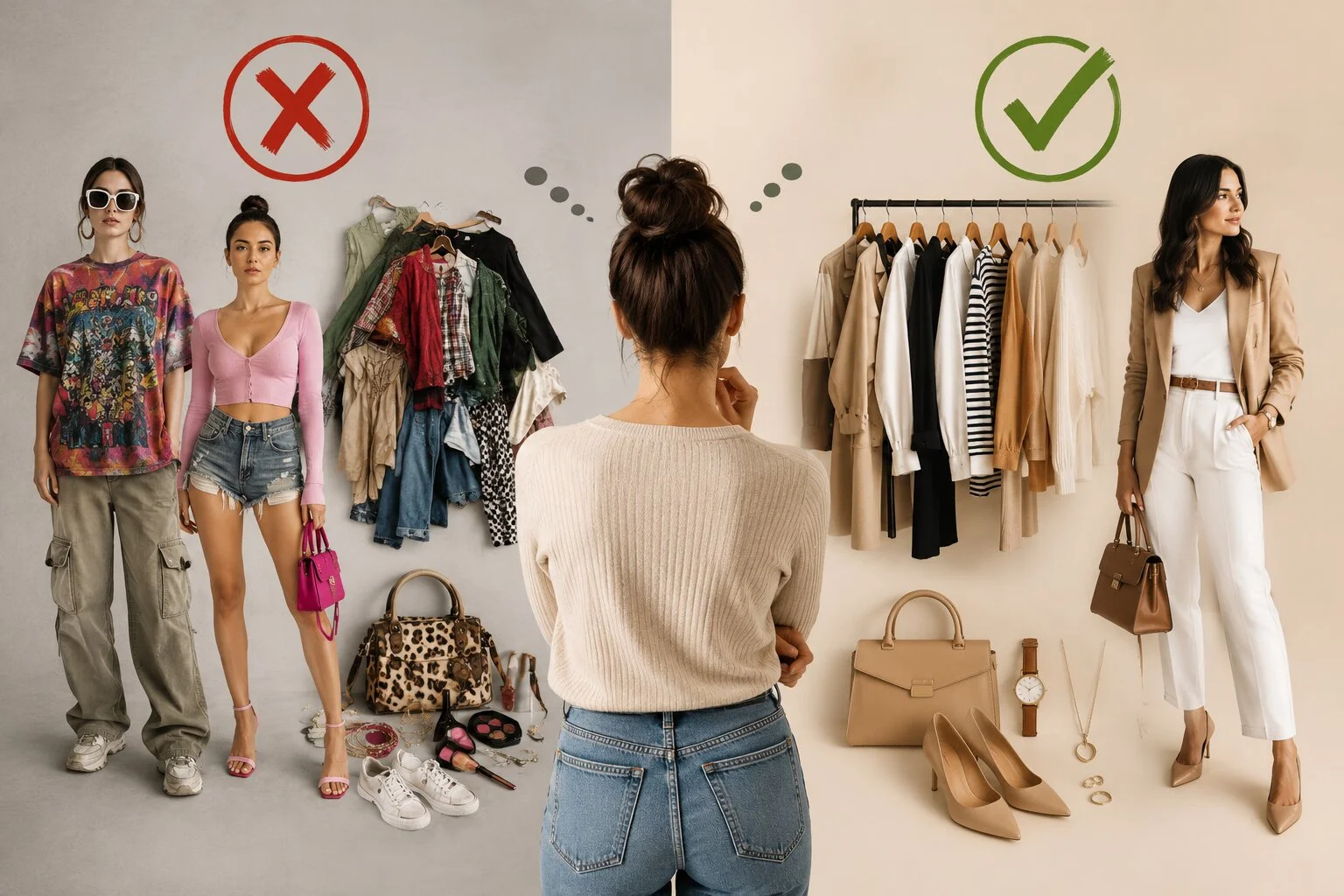
Why Fashion Mistakes to Avoid Matter More Than You Think
Clothing sends a message before a single word gets spoken. Recruiters form impressions in seconds, first dates notice details within minutes, and colleagues quietly judge readiness for a meeting based on how buttoned up someone looks. None of this means fashion has to be complicated or expensive. It simply means the fashion mistakes to avoid deserve real attention because they compound.
A shirt that fits poorly does not just look sloppy on its own. It throws off the balance of the trousers, the shoes, and the jacket layered on top. One error rarely stays isolated. Understanding the most common fashion mistakes to avoid gives you a filter to run every outfit through, so small errors get caught before they become the whole story people read from your appearance.
Confidence also plays a role here. People who feel good in their clothes stand taller, make more eye contact, and move with more ease. Fixing recurring style errors is not vanity. It is a practical investment in how comfortably you carry yourself through your day.
Fashion Mistakes to Avoid: Wearing the Wrong Fit
Fit sits at the top of nearly every stylist’s list of fashion mistakes to avoid, and for good reason. Clothing that pulls across the chest, bunches at the waist, or drowns the body in extra fabric reads as careless no matter how expensive the label is. A designer blazer in the wrong size will always look worse than a basic blazer that fits the shoulders correctly.
Three fit problems show up again and again:
- Shirts and jackets with shoulder seams that sit too far past the natural shoulder line, which adds bulk and shortens the arms visually.
- Trousers that pool at the ankle or ride too high, both of which disrupt leg proportion.
- Dresses and tops sized for a different body shape than the one wearing them, which creates pulling at seams or excess fabric at the waist.
The fix rarely requires a bigger budget. A local tailor can take in a waist, shorten a hem, or adjust shoulder seams for a fraction of the cost of new clothing. Trying on garments before buying, rather than relying on a size label alone, also prevents most of these fit related fashion mistakes to avoid before they ever reach the closet. Sizing varies enormously between brands, so the number on the tag matters far less than how the fabric actually sits on the body.
Color Coordination Mistakes to Avoid in Your Wardrobe
Color confusion ranks high among fashion mistakes to avoid because it is often invisible to the person wearing it. Clashing tones, competing patterns, or an outfit built entirely around trend colors that do not suit a skin tone can undo an otherwise thoughtful look.
A simple framework helps here. Warm skin tones generally read well in earthy shades such as olive, rust, and warm browns, while cool skin tones tend to suit jewel tones, true blues, and cooler grays. Neutral tones give the most flexibility across both palettes. Building a base wardrobe around two or three neutrals, then adding one or two accent colors per outfit, keeps combinations simple and prevents visual noise.
Pattern mixing deserves its own caution. Combining a bold floral top with a busy striped bottom rarely works, since both pieces compete for attention. A safer approach pairs one patterned piece with solid, complementary basics. Color analysis consultations have become popular for a reason: they remove guesswork and show clearly which shades flatter a particular complexion, hair color, and eye color. Even without a professional consultation, holding a few swatches near the face in natural light reveals a lot about what works.
Over Accessorizing: A Common Fashion Mistake to Avoid
Accessories should finish a look, not fight with it. Stacking oversized earrings, a heavy necklace, multiple bracelets, and a statement bag all at once is one of the most repeated fashion mistakes to avoid, and it happens because each piece looks appealing on its own without being tested against the full outfit.
A useful rule limits the outfit to one true focal point. Bold earrings pair best with a clean, simple neckline. Layered necklaces work better with plain tops rather than patterned ones. A structured bag can carry an entire outfit without needing extra jewelry at all. Choosing a single hero accessory and keeping everything else minimal creates balance instead of clutter.
Watches, belts, and scarves fall into this same category. A wide statement belt looks striking with a simple dress but competes badly with an already busy print. Reviewing the full outfit in a mirror before adding a final accessory, rather than adding pieces one by one without stepping back, catches most over accessorizing before leaving the house.
Blindly Following Trends: One of the Biggest Fashion Mistakes to Avoid
Trend chasing sits near the top of nearly every list of fashion mistakes to avoid because it pulls attention away from what actually suits an individual body and lifestyle. A cropped jacket might dominate social media for a season, yet look wrong on a frame it was never designed to flatter. Buying pieces purely because they are popular, without considering fit or personal style, leads to closets full of items worn once.
The stronger approach treats trends as accents rather than the entire outfit. Pairing one trendy piece, such as a seasonal color or a statement sleeve, with timeless basics keeps a look current without overwhelming it. This also protects a budget, since trend pieces tend to have a shorter shelf life than well made staples like tailored trousers, a quality white shirt, or leather shoes in a neutral tone.
Social media pressure accelerates this mistake. Seeing the same viral piece repeated across a feed creates a false sense that everyone else already owns it. Slowing down before a purchase, and asking whether a piece fits an existing wardrobe and actual lifestyle, filters out most impulse buys driven by trend anxiety rather than genuine taste.
Fashion Mistakes to Avoid When Dressing for the Occasion
Wearing the wrong outfit for the setting creates an immediate, visible mismatch. Arriving at a formal dinner in gym wear, or showing up overdressed at a casual barbecue, both signal a misread of the room. Occasion mismatches rank among the more embarrassing fashion mistakes to avoid because they are usually preventable with a few minutes of planning.
Checking the dress code ahead of time removes most of the guesswork. When an invitation does not specify one clearly, a smart casual outfit usually bridges the gap safely between overly formal and overly relaxed. Smart casual generally means tailored trousers or a clean dress with a blazer or structured top, paired with polished shoes rather than sneakers or sandals.
When genuinely unsure, leaning slightly overdressed tends to work better than the reverse. A blazer can always come off if a room turns out to be more relaxed than expected, while it is much harder to fix an outfit that reads as underdressed once already in the room. Building two or three go to outfits for common categories, such as business casual, semi formal, and casual weekend wear, removes last minute stress and prevents this entire category of fashion mistakes to avoid.
Footwear Fashion Mistakes to Avoid
Shoes carry more visual weight than most people expect. Worn out soles, scuffed leather, or shoes that clearly do not match the formality of the rest of an outfit undercut everything above them. Footwear related fashion mistakes to avoid are easy to overlook because shoes sit at the bottom of an outfit, yet they are one of the first details a sharp observer notices.
Matching shoe formality to outfit formality solves most of this. Sneakers paired with a tailored suit reads as intentional streetwear styling only when done deliberately, while the same combination worn by accident, simply because dress shoes were not available, looks careless. Investing in a small rotation of versatile shoes, such as clean white sneakers, a pair of leather loafers, and one polished dress shoe in black or brown, covers the vast majority of everyday situations.
Maintenance matters just as much as selection. Scuffed leather, worn heels, and dirty soles age an outfit instantly, regardless of how expensive the shoes originally were. A quick polish, regular cleaning, and prompt heel repairs keep footwear looking intentional rather than neglected. Rotating between at least two pairs also extends the life of each one, since leather needs time to air out between wears.
Fabric and Quality Mistakes to Avoid
Even a well designed outfit collapses visually when the fabric looks cheap. Thin, see through material, visible pilling, or fabric that wrinkles within an hour of wearing it are common fabric related fashion mistakes to avoid, and they are often more noticeable in photographs than in person.
Quality does not automatically mean expensive. Natural fibers such as cotton, wool, and linen generally hold their shape and color better over repeated washes than low grade synthetic blends. Checking seams, buttons, and stitching before purchase gives a fast read on overall construction quality. Loose threads, uneven hems, or seams that pucker are early warning signs that a garment will not age well.
Caring for fabric properly extends its life significantly. Following washing instructions, avoiding high heat on delicate materials, and storing knitwear folded rather than hung all prevent premature wear. Skipping these small habits is one of the quieter fashion mistakes to avoid, since it slowly turns quality pieces into tired looking ones long before their time.
Proportion and Body Shape Mistakes to Avoid
Ignoring proportion is a subtle but powerful entry on the list of fashion mistakes to avoid. An outfit can use flattering colors and quality fabric and still look off if every piece shares the same volume. A loose top paired with wide leg trousers, for example, can erase the waist entirely and create a shapeless silhouette.
Balancing proportions usually means pairing a fitted piece with a looser one. A relaxed blazer looks sharp over slim trousers, while a fitted top under a wide leg pant keeps the overall shape defined. Tailoring pant length alone often makes a bigger visual difference than people expect, since trousers that pool at the shoe read as sloppy no matter how nice the fabric is.
Body shape awareness helps here too, though it should never turn into rigid rules. Rather than avoiding entire categories of clothing, small adjustments such as a slightly cropped jacket or a defined waistline can shift how an outfit reads on a particular frame. The goal is balance, not restriction, and paying attention to proportion prevents one of the more overlooked fashion mistakes to avoid.
Seasonal Fashion Mistakes to Avoid
Dressing out of step with the season creates both a practical and visual problem. Heavy fabrics in peak summer heat look uncomfortable and often show sweat marks, while thin fabrics in cold weather leave a person visibly underdressed. Seasonal fashion mistakes to avoid usually come down to holding onto favorite pieces past their appropriate window rather than adjusting the wardrobe as weather shifts.
Layering solves much of this problem. Building outfits from lightweight layers that can be added or removed allows one core outfit to work across a wider temperature range. A cotton shirt under a light cardigan, for instance, adapts more easily to a chilly morning that warms up by afternoon than a single heavy sweater would.
Fabric choice also needs to shift with the calendar. Linen and lightweight cotton breathe well in heat, while wool blends and heavier knits hold warmth during colder months. Rotating a wardrobe seasonally, rather than wearing the same pieces year round regardless of temperature, prevents one of the more practical fashion mistakes to avoid and keeps outfits comfortable as well as stylish.
Grooming and Maintenance Mistakes That Ruin Great Outfits
Clothing never exists in isolation from the person wearing it. Wrinkled fabric, missing buttons, faded colors, and stray pet hair on a dark jacket can undo the effort behind an otherwise well chosen outfit. These maintenance related fashion mistakes to avoid tend to get overlooked because they feel minor individually, yet they add up quickly in how polished a look appears.
A short pre departure check catches most of these issues. Ironing or steaming visibly wrinkled pieces, checking buttons and zippers, and giving dark clothing a quick lint roll takes only a few minutes but changes the entire impression of an outfit. Repairing small damage promptly, rather than letting a loose button or small tear linger, also extends the life of favorite pieces.
Personal grooming ties directly into this category as well. Clean, trimmed nails, tidy hair, and fresh breath complete the picture that clothing starts. None of these habits require significant time, yet skipping them undermines even the most carefully chosen outfit, making basic maintenance one of the easiest fashion mistakes to avoid once it becomes routine.
Budget Related Fashion Mistakes to Avoid
Money habits shape a wardrobe just as much as taste does, and several budget related fashion mistakes to avoid quietly drain both cash and closet space. The most common one is buying based on price alone, grabbing a cheap item simply because it feels like a deal, even when the fit or fabric quality is poor. A ten dollar top that gets worn once before losing its shape costs more per wear than a thirty dollar top worn fifty times.
Impulse buying without a plan creates a related problem. Shopping without checking what already exists in a closet leads to duplicate items, colors that do not match anything else owned, and pieces bought purely because they looked appealing on a mannequin or a model rather than because they fit an actual lifestyle. Keeping a simple mental list, or even a photo log, of current wardrobe gaps before shopping prevents this pattern and turns spending into a targeted decision rather than a reactive one.
Splurging on the wrong categories is another frequent misstep. Spending heavily on trend pieces that will look dated within a year, while skimping on foundational items like well made trousers or classic shoes, leaves a wardrobe unbalanced. A more sustainable approach reserves higher spending for pieces worn often and across seasons, such as outerwear, shoes, and tailored basics, while keeping trend driven purchases modest and occasional. Cost per wear is a far better measure of value than the sticker price alone, and keeping that math in mind resolves most budget related fashion mistakes to avoid before they happen.
Fashion Mistakes to Avoid When Dressing for Photos and Social Media
Modern style decisions increasingly get judged through a camera lens rather than in person, which introduces its own category of fashion mistakes to avoid. An outfit that looks balanced standing in front of a mirror can photograph very differently once color, lighting, and camera angle enter the picture. Bright white fabric can appear washed out under harsh flash, while very dark, low contrast outfits can lose all definition in photos taken indoors.
Pattern choice matters more on camera than in daily life as well. Tight stripes, small checks, and busy prints can create a strange visual vibration effect known as moire when captured on video or through certain camera sensors, which rarely happens to the naked eye. Choosing slightly bolder, simpler patterns for occasions likely to involve heavy photography, such as weddings or events, avoids this distracting side effect.
Comfort also plays a bigger role than people expect once photos enter the picture. An outfit that feels tight or restrictive rarely photographs as relaxed, since discomfort shows up in posture and facial expression well before it shows up in the fabric itself. Prioritizing pieces that allow natural movement, rather than choosing purely for how a garment looks on a hanger, prevents one of the more overlooked fashion mistakes to avoid in an era where nearly every outfit eventually ends up on a phone screen.
How to Build a Fashion Mistakes Free Wardrobe Going Forward
Fixing individual outfits helps in the short term, but building lasting habits prevents fashion mistakes to avoid from creeping back in. A useful starting point is auditing the current wardrobe honestly, separating pieces that fit well and get worn regularly from those that have been kept out of guilt or hope rather than actual use.
From there, building around a small set of versatile basics makes daily dressing far simpler. A well fitted blazer, quality trousers in a neutral tone, a few solid tops, and two or three reliable shoe options cover most situations without requiring constant new purchases. Adding trend pieces sparingly, on top of this base, keeps a wardrobe current without letting fashion mistakes to avoid such as trend chasing take over.
Regular maintenance closes the loop. Scheduling a seasonal wardrobe review, keeping a small sewing kit on hand for quick repairs, and revisiting fit whenever body shape changes all keep a closet working in favor of the person wearing it rather than against them. Style experts featured on Vogue Business often note that fit remains the single most important factor in looking polished, and treating fit as an ongoing practice rather than a one time fix supports every other choice made across a wardrobe.
For more seasonal inspiration, our detailed breakdown of this year’s biggest style movements in the 2026 fashion trends guide on Topicaly pairs well with the fixes covered here, since knowing what is current makes it easier to decide which trends are worth adopting and which ones to skip.
Closet Organization Mistakes to Avoid
A disorganized closet quietly causes many of the fashion mistakes to avoid discussed so far, simply because it hides options rather than showcasing them. When shirts, trousers, and dresses are crammed together without any visible system, the same three or four outfits tend to get repeated on rotation while dozens of other perfectly good pieces sit forgotten at the back.
Grouping clothing by category and color makes a noticeable difference. Keeping tops together, trousers together, and outerwear together, then arranging each group from light to dark, turns a closet into something that can be scanned in seconds rather than dug through. Seeing everything at once also reveals gaps and overlaps, such as owning five near identical black tops but no reliable neutral bottoms to pair them with.
Seasonal rotation solves another common issue. Storing out of season items separately, whether in a spare closet, under bed storage, or simply a labeled bin, keeps the main closet focused on what is actually wearable right now. This alone prevents one of the sneakier fashion mistakes to avoid, which is standing in front of a closet that looks full yet somehow offers nothing appropriate to wear that day.
Regular closet audits, done once per season, catch pieces that no longer fit, have gone out of style entirely, or simply never get worn regardless of how good they looked at the point of purchase. Donating or repurposing these items keeps the wardrobe lean and functional, and it makes every remaining piece easier to style well.
Final Thoughts on Fashion Mistakes to Avoid
Good style rarely comes down to owning more clothes or chasing whatever is trending this month. It comes down to catching the small, repeated fashion mistakes to avoid that quietly undermine an outfit before it ever leaves the closet. Fit, color balance, restrained accessorizing, occasion appropriate choices, well kept shoes, quality fabric, correct proportion, seasonal awareness, and basic maintenance all work together, not in isolation.
None of these fixes require a dramatic wardrobe overhaul or a large budget. A tailor visit here, a five minute pre departure check there, and a little more intention before impulse purchases go a long way toward a wardrobe that consistently looks polished. Once these fashion mistakes to avoid become second nature, dressing well stops feeling like effort and starts feeling like habit, which is exactly where confident personal style comes from. The goal was never to follow a rigid rulebook or to copy someone else’s closet. It was always to build enough awareness that clothing works for the body and life a person actually has, rather than an idealized version seen online.
Small, consistent adjustments beat occasional dramatic overhauls almost every time. Reviewing fit once a season, pausing before a trend purchase, keeping shoes clean, and giving a full outfit one last look in the mirror before heading out cover most of the ground discussed in this guide. Treat this list as a working reference rather than a one time read, and revisit it whenever an outfit feels slightly off but the reason is not immediately obvious.
Style publications covering what not to wear often note that the biggest fashion mistakes include wearing ill fitting clothes, mixing too many patterns, wearing outdated trends, ignoring proportions, and not dressing for the occasion, which lines up closely with everything covered above. Keep this list nearby, run through it before big events, and watch how much smoother getting dressed becomes.